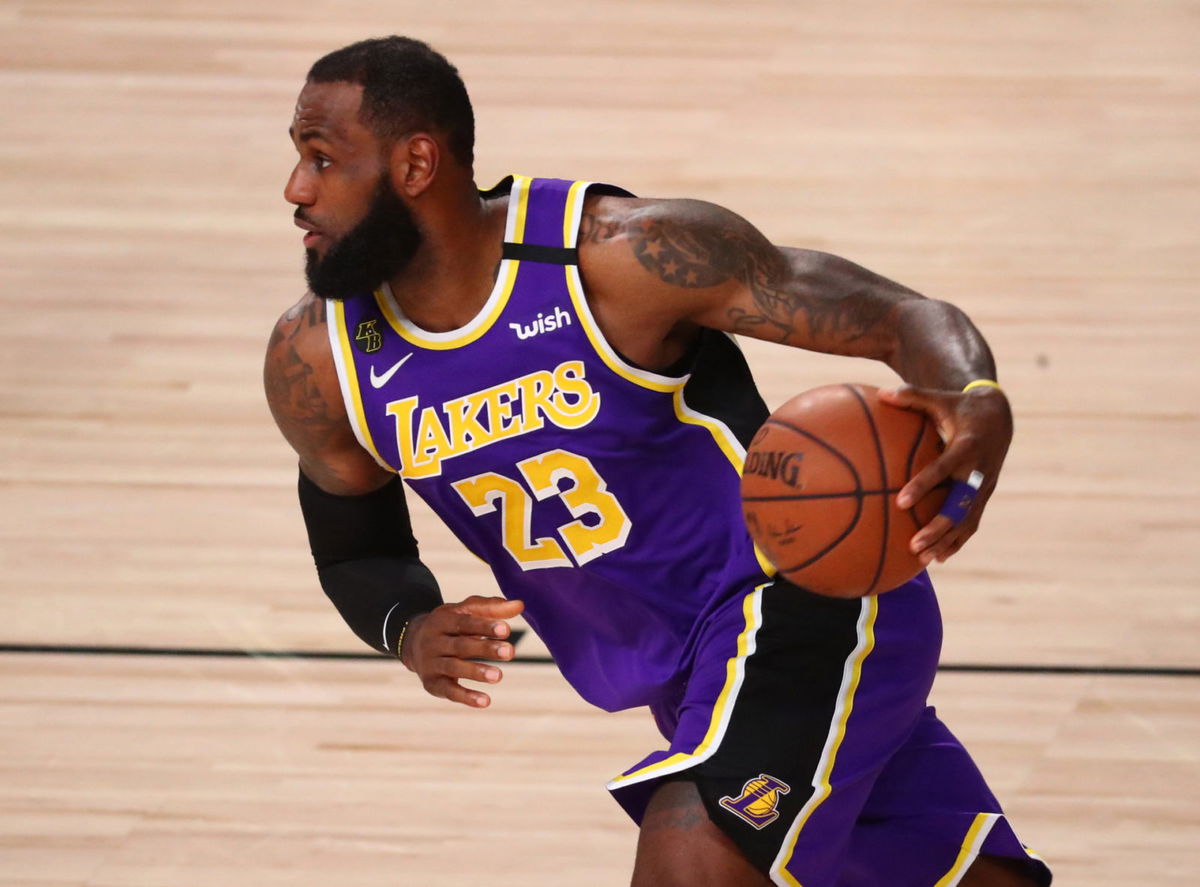
Over the weekend the Los Angeles Lakers won the 2020 NBA championship title. This was their first championship win in 10 years, that included many unexpected events and devastations. However, through all the trouble of the past season, Lebron James and Anthony Davis continued to lead the team, winning game after game until they defeated Miami Heat in game 6 of the final. When COVID put sports, and the world, on hold in March, James stated that he would not play in empty arenas, since he was playing for the fans. Yet three months later he was flying to Florida to do just that.
The NBA commissioner estimated that 40% of the league’s revenue comes from spectators and so, with the previous season ending with no spectators, it may be assumed the NBA and its teams are in danger. Yet that did not stop some team’s leaders from shipping their courts to Florida during the championship, with others firing some of their staff. It was not only the loss of spectators driving the viewings down, but other big new events vying for airtime meant less people viewing the games at all. Less interest was shown in the playoffs, which may carry into the upcoming season, especially if spectators cannot be in attendance. However, the social impacts of games without spectators goes far beyond the league’s sufferance. Hotels, restaurants, stores, travel companies, and so many other businesses will suffer the loss. People may begin to realize sport does not contribute to the economy in the same ways they had thought. The NBA league and individual teams may make themselves look like they are struggling but with each team worth an estimated $2.12 billion, the economy may flourish without the games.
Ainsley R
 Sport, Not Games ⚽