Today’s children are lacking the opportunity to receive proper, effective and meaningful physical education during their time spent in the education system. Research has found that the number of time spent in physical education classes at schools has steadily declined since 2013, going from 8.4% of school time to 7.7%. The pandemic has only made these numbers decrease even more and extremely dependent on individual conditions, including whether an individual is attending school in person or remotely. This issue is not receiving nearly enough attention. For many children, physical education class is their only opportunity to engage in the recommended hour of moderate-to-vigorous intensity physical activity each day. It is important to consider the long-term effects this lack of physical education may be imposing upon today’s children.
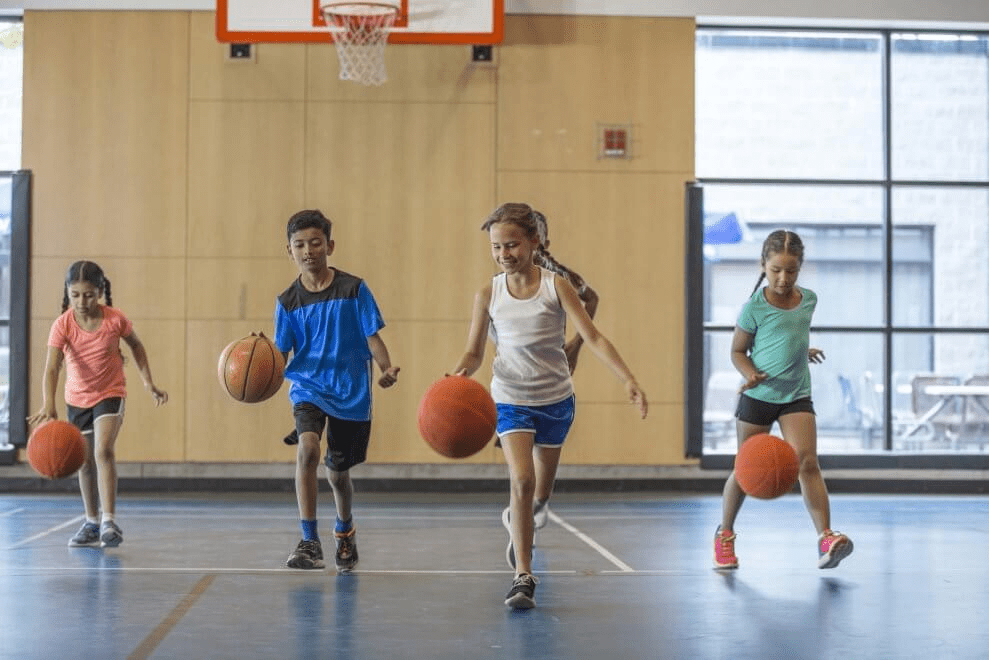
A child’s perception of sport and physical activity is largely formed during physical education classes in school. If children are not being exposed to and taught the importance of sport in physical education, sports and physical activity will not become a foundational aspect of their future lives. They will be more likely to sit and watch Netflix after school than to go to basketball practice, and to make false connections with the characters they are watching rather than forming lifelong bonds with their teammates. The commonly held perception that physical education is nothing more than playing games can be easily debunked when considering physical education curriculums that schools follow. Physical education is an educational process, where students learn about human movement through human movement. Games are only a small part of physical education, used to teach students so much more than what meets the eye. We have a responsibility to keep the importance of sports and physical activity alive in schools for the children today; if we don’t, who knows what the future sporting world will look like.
Kamryn M.
 Sport, Not Games ⚽